


Energy Software Development Services
Our energy software development services address a wide range of needs, including asset management, performance optimization, system integration, and process automation. DigitalMara helps energy and utility companies improve operational efficiency, safety, and sustainability through intelligent software solutions.
Serving every energy need


Key challenges we solve for the energy & utilities industry
Operational inefficiencies
Fragmented systems, manual workflows, and legacy processes often slow down operations and increase administrative overhead. We develop powerful integrated digital platforms that automate processes, unify data streams, and improve cross-departmental visibility.
Energy inefficiencies and losses
Energy losses across generation, transmission, and distribution networks directly impact operational performance, profitability, and sustainability goals. Our solutions enable real-time monitoring and intelligent alerting, allowing organizations to quickly detect anomalies, identify inefficiencies, and take proactive corrective action.
Downtime and aging IT infrastructure
Unexpected failures of infrastructure and equipment can result in costly downtime, safety risks, and service disruptions. We build advanced monitoring and asset management systems that provide real-time insights into equipment health, performance metrics, and operational conditions.
Sustainability and environmental impact
Companies and organizations face increasing pressure to reduce emissions, comply with environmental regulations, and transition to cleaner energy sources. We develop solutions that help track sustainability metrics, optimize resource consumption, and support ESG reporting.
Predictive maintenance
Traditional reactive maintenance models lead to higher repair costs and operational risks. By implementing AI-powered predictive maintenance systems, we enable early fault detection, minimize downtime, and shift maintenance strategies from reactive to data-driven and preventive.
Cybersecurity and data protection
As energy systems become more connected, the risk of cyber threats increases significantly. We design secure software architecture, implement advanced data protection mechanisms, and ensure compliance with industry standards to safeguard critical infrastructure and sensitive operational data.
Applications we develop for the energy & utilities industry
The energy and utilities industry is distinguished by complex workflows and diverse operational processes that address energy generation, transmission, distribution, and customer service. Organizations also rely on a large number of interconnected internal systems. Managing this ecosystem demands scalable, secure, and highly integrated software solutions. At DigitalMara, we design and develop custom applications tailored to the specific needs of energy producers, grid operators, utility providers, energy technology companies, and manufacturing companies.
Core energy software
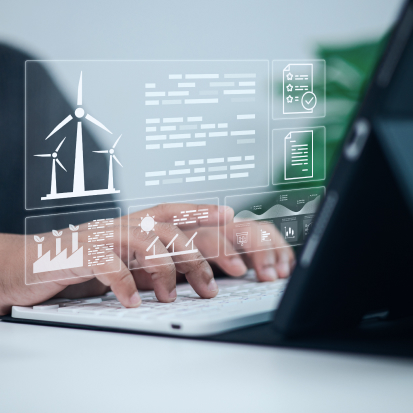
Core energy software provides tools for monitoring, controlling, and optimizing energy generation and distribution. These applications deliver real-time insights into equipment status, operational performance, and network health, helping detect anomalies early and prevent downtime. By supporting automation, predictive maintenance, and advanced control, this software improves reliability, enhances safety, and ensures energy is delivered efficiently to meet demand.
Utility software

Utility software assists in accurately and efficiently managing customer-facing and operational processes. These applications process consumption data, manage accounts, and automate service workflows. Dashboards provide insights into usage patterns, detect faults, and support planning and maintenance, improving customer satisfaction, operational efficiency, and regulatory compliance.
Analytics & energy intelligence software

Analytics and energy intelligence software provides operational, environmental, and market data. These platforms help organizations gain actionable insights on performance and optimize their energy usage. Advanced analytics support predictive decision-making, scenario modeling, and trend analysis, enhancing operational efficiency and strategic planning.
ERP Systems

ERP systems unify and streamline business operations across departments. They consolidate data, automate workflows, and enhance visibility within operations spanning finance, HR, your supply chain, projects, and assets. This integration improves productivity, reduces redundancy, and allows for better resource allocation.
Electric Vehicle (EV) Solutions

EV software manages charging infrastructure, fleets, and user interactions. These platforms provide real-time monitoring, optimize energy consumption, and monitor fleet performance. Through forecasting and automated management, EV software improves operational efficiency, reduces energy costs, and provides excellent service to drivers and fleet managers.
Industrial energy & smart infrastructure software
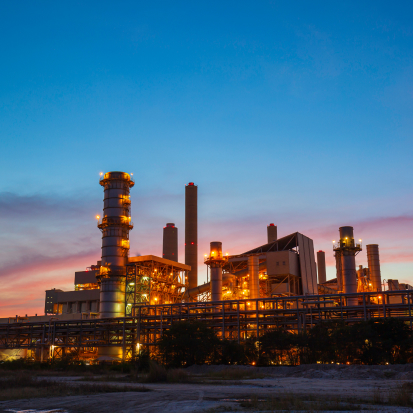
Industrial and smart infrastructure software optimizes energy consumption in factories, buildings, and urban systems. These solutions monitor usage, detect inefficiencies, and automate energy-saving measures. By connecting systems and providing actionable insights, the software reduces waste, improves operational efficiency, and supports sustainability initiatives.
Renewable energy software
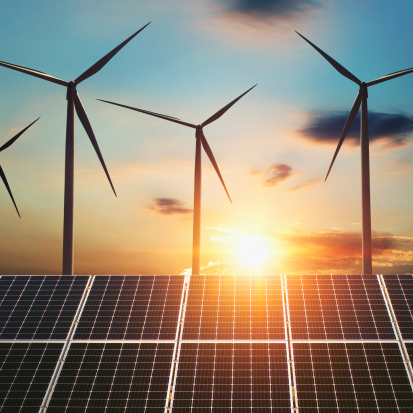
Renewable energy software supports the generation, storage, and distributed management of energy resources. These tools allow you to gain insight into production, optimize productivity, and predict maintenance needs. By efficiently integrating renewable energy sources into the grid, these applications increase reliability, maximize productivity, and maintain sustainability and profitability.
Grid & demand response optimization software
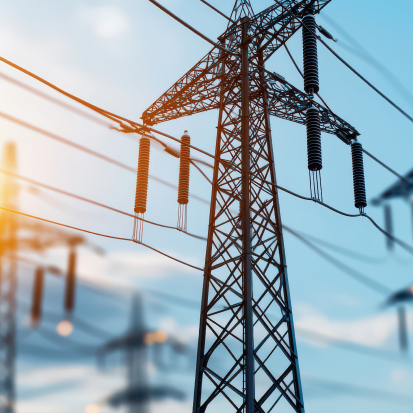
Grid and demand response software helps utilities balance supply and demand efficiently. These applications monitor load, forecast consumption, and manage automated response programs to reduce peak load stress. By enhancing grid stability and minimizing energy waste, the software improves operational efficiency and supports smart grid initiatives.
Advanced IT solutions for the energy industry
Advanced solutions enable energy and manufacturing companies to modernize their IT infrastructure, improve resilience, and make data-driven decisions. Technologies such as IoT, Artificial Intelligence, and Big Data play a critical role in building intelligent, adaptive, and future-ready digital products.
-
The Internet of Things (IoT)
-
Artificial intelligence
-
Big Data
The Internet of Things (IoT) enables real-time monitoring and control of energy infrastructure through connected sensors, smart meters, and other industrial devices. IoT solutions collect and transmit data from generation facilities, substations, transmission lines, and end-user equipment, providing continuous visibility into asset performance and energy flows. By enabling predictive maintenance, remote diagnostics, and automated control, IoT reduces downtime, improves asset utilization, and enhances grid reliability.
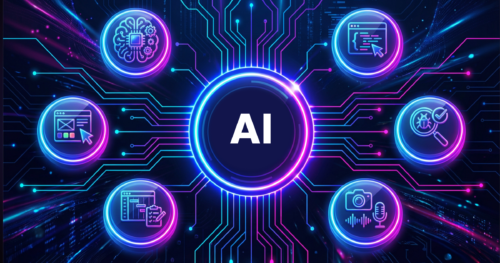
Artificial intelligence allows you to transform raw operational data into useful information. Artificial intelligence-based systems support a wide range of operations, such as automation, load forecasting, preventive maintenance, anomaly detection, and demand response optimization. Machine learning algorithms analyze historical and real-time data to identify patterns, predict failures, and optimize the performance of complex energy networks. Artificial intelligence increases the speed and accuracy of decision-making and increases operational efficiency.
Big Data technologies make it possible to process and analyze huge amounts of structured and unstructured data generated by sensors, meters, and software systems in different departments. Advanced data transfer pipelines and storage architectures ensure reliable data aggregation and real-time analytical information acquisition. . Data-driven strategies enable better risk management, compliance with regulatory requirements, and long-term strategic planning.
-
The Internet of Things (IoT)
The Internet of Things (IoT) enables real-time monitoring and control of energy infrastructure through connected sensors, smart meters, and other industrial devices. IoT solutions collect and transmit data from generation facilities, substations, transmission lines, and end-user equipment, providing continuous visibility into asset performance and energy flows. By enabling predictive maintenance, remote diagnostics, and automated control, IoT reduces downtime, improves asset utilization, and enhances grid reliability.
-
Artificial intelligence
Artificial intelligence allows you to transform raw operational data into useful information. Artificial intelligence-based systems support a wide range of operations, such as automation, load forecasting, preventive maintenance, anomaly detection, and demand response optimization. Machine learning algorithms analyze historical and real-time data to identify patterns, predict failures, and optimize the performance of complex energy networks. Artificial intelligence increases the speed and accuracy of decision-making and increases operational efficiency.
-
Big Data
Big Data technologies make it possible to process and analyze huge amounts of structured and unstructured data generated by sensors, meters, and software systems in different departments. Advanced data transfer pipelines and storage architectures ensure reliable data aggregation and real-time analytical information acquisition. . Data-driven strategies enable better risk management, compliance with regulatory requirements, and long-term strategic planning.
Energy & utilities software services
DigitalMara supports clients at every stage of their digital journey, from developing an initial consulting and technology strategy to full-cycle development, system integration, and ongoing support.
-
Technology consulting
-
Energy software development
-
Software integration
We provide IT consulting and technical strategy services tailored to energy and utility companies. Our experts evaluate project concepts, assess existing infrastructure, audit legacy systems, and analyze operational environments. We guide clients in system architecture design, technology stack selection, cloud, and on-premises strategies.
DigitalMara delivers custom software solutions that support both operational infrastructure and customer-facing services. Our team builds secure back-end systems, web platforms, and mobile applications for a wide range of energy use cases, including EMS, grid management platforms, billing systems, asset management software, analytics solutions, renewable energy platforms, and EV charging software.
We specialize in seamless software integration within complex energy ecosystems. Our integration services ensure smooth interoperability between legacy infrastructure, SCADA systems, IoT devices, ERP platforms, cloud environments, and third-party applications. Connecting operational technology (OT) and information technology (IT) systems allows for a unified flow of data, enhances monitoring capabilities, and helps coordinate operations across the entire organization.
-
Technology consulting
We provide IT consulting and technical strategy services tailored to energy and utility companies. Our experts evaluate project concepts, assess existing infrastructure, audit legacy systems, and analyze operational environments. We guide clients in system architecture design, technology stack selection, cloud, and on-premises strategies.
-
Energy software development
DigitalMara delivers custom software solutions that support both operational infrastructure and customer-facing services. Our team builds secure back-end systems, web platforms, and mobile applications for a wide range of energy use cases, including EMS, grid management platforms, billing systems, asset management software, analytics solutions, renewable energy platforms, and EV charging software.
-
Software integration
We specialize in seamless software integration within complex energy ecosystems. Our integration services ensure smooth interoperability between legacy infrastructure, SCADA systems, IoT devices, ERP platforms, cloud environments, and third-party applications. Connecting operational technology (OT) and information technology (IT) systems allows for a unified flow of data, enhances monitoring capabilities, and helps coordinate operations across the entire organization.
Technologies we use